
The Allure of Casino Gaming
The psychology of casino gaming is intricately tied to the thrill of risk and reward. From the moment players step into a casino, they are enveloped in an environment designed to heighten excitement and anticipation. Bright lights, engaging sounds, and the promise of substantial wins create a sensory overload that captivates the senses. This ambiance engages players psychologically, making them more susceptible to the allure of casino sites and gambling.
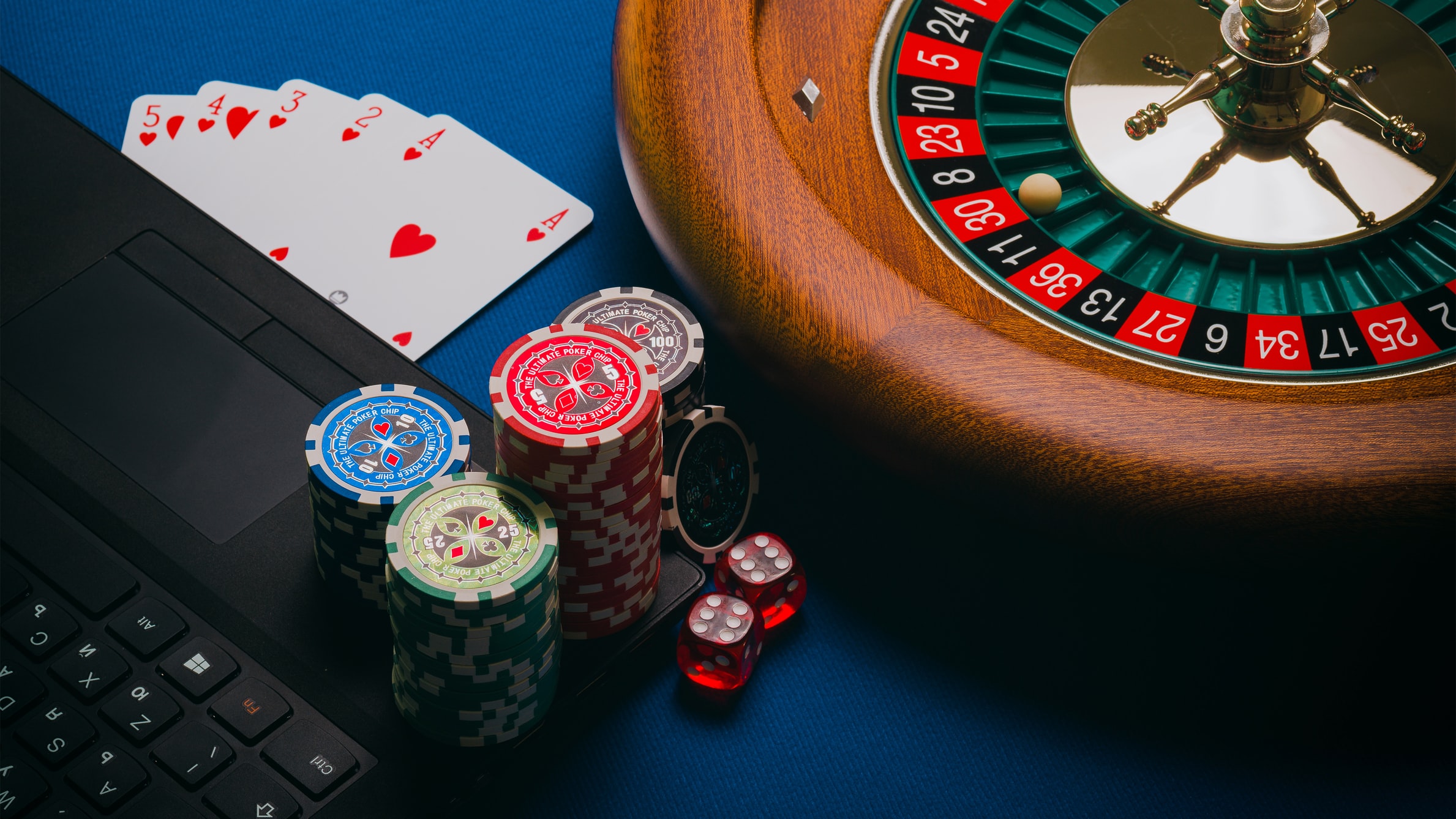
Additionally, casinos leverage the concept of variable rewards, similar to how a slot machine operates. Players often experience a mix of small wins and losses, which enhances their engagement and can lead to a phenomenon known as the “Gambler’s Fallacy,” where they believe that future outcomes are influenced by past events. This belief can lead to even greater involvement in gaming, as players chase their perceived luck.
The Role of Cognitive Biases
Cognitive biases significantly impact decision-making in casino gaming. One of the most prevalent biases is the illusion of control, where players believe they can influence the outcome of games of chance through skill or strategies, even when outcomes are entirely random. This bias can encourage players to gamble more, as they feel empowered to affect their chances of winning.
Another critical bias is anchoring, where players fixate on a specific number or outcome, which skews their judgment. For example, if a player sees a large jackpot, they may be more likely to gamble, believing they have a better chance of winning than they actually do. These cognitive distortions create a psychological trap, leading players into a cycle of gambling that often results in increased time and money spent.
Emotional Connections and Escapism
The emotional aspect of casino gaming cannot be overlooked, as it serves as a form of escapism for many players. Individuals often turn to gambling as a way to cope with stress, anxiety, or boredom. The euphoric highs of winning can create a temporary escape from reality, providing a sense of happiness and accomplishment.
Moreover, the social environment within casinos can enhance this emotional connection. Whether playing at tables or slots, the communal experience of sharing moments of excitement with others fosters a sense of belonging and camaraderie. This enhances the overall gaming experience, encouraging players to return for both the potential rewards and the social interactions.
The Consequences of Gambling Behavior
While many may view casino gaming as harmless entertainment, the psychological impact can lead to addiction for some individuals. The thrill associated with the rush of gambling can create a dependency, where players feel compelled to return despite potential negative consequences. This cycle can lead to personal, financial, and emotional challenges.
Understanding the signs of problem gambling is crucial in addressing the psychological impacts. Awareness and education can empower players to recognize when their gaming habits may be crossing the line into addiction, prompting them to seek help or set limits on their gambling behaviors.

Discovering More About Gaming Psychology on Our Platform
Our website is dedicated to providing valuable insights into various aspects of gambling, including the psychological factors that influence player behavior. We strive to empower users with knowledge, enabling them to navigate the complex world of casino gaming responsibly and with confidence.
By staying informed and understanding the psychological underpinnings of gambling, players can make better decisions and enjoy a more fulfilling gaming experience. Explore our resources to learn more and enhance your understanding of the impact of casino gaming on individual psychology.