
Unraveling the truth behind popular gambling myths
The Illusion of Skill in Games of Chance
One of the most persistent myths in the gambling world is the belief that skill can influence the outcome of games of chance. This misconception often leads players to think that their strategies can guarantee wins in games like slots or roulette. In reality, these games are designed to operate on random number generators and probability, meaning that each spin or draw is entirely independent of previous results. Many users interested in fun mobile gaming may want to https://balloon-game-download.com.ng/ to download Balloon game APK online, which does not rely on skill but rather luck. Understanding this is crucial for anyone who wants to engage with gambling responsibly.
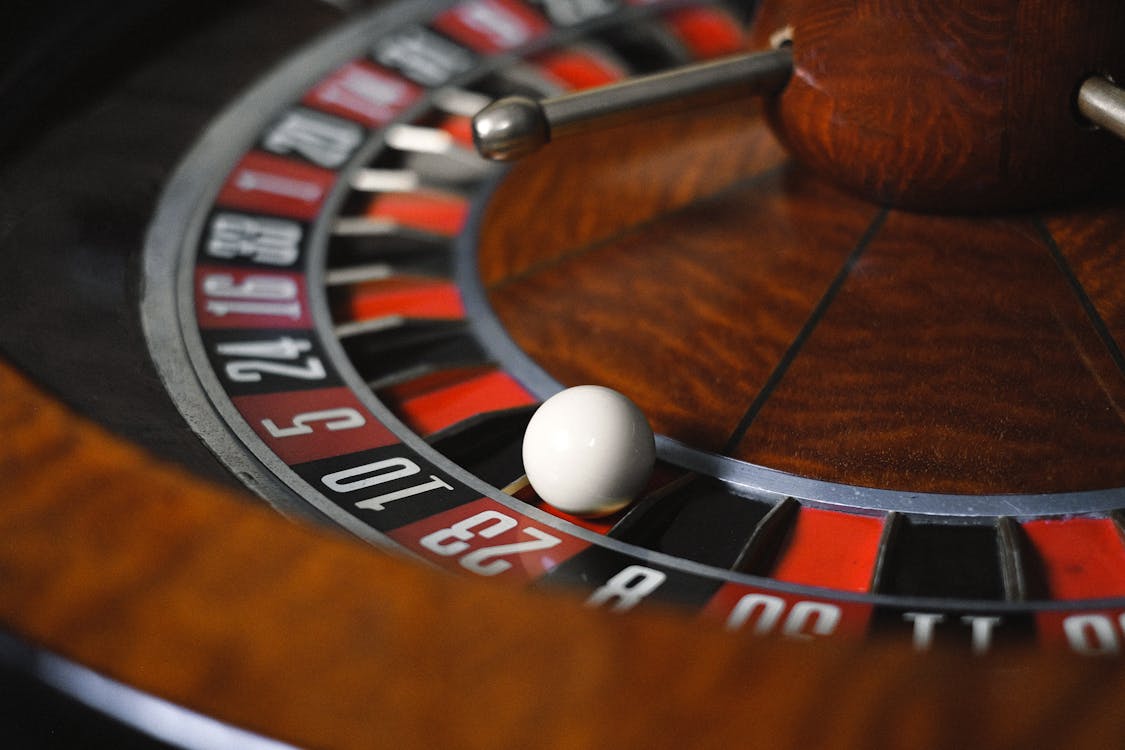
Moreover, while certain games like poker require skill and strategy, the majority of gambling options available, particularly in casinos, are purely based on luck. This distinction can be misleading, especially for newcomers who are trying to differentiate between the two types of gaming experiences. Many players may find themselves drawn to the allure of mastering a game when, in fact, they are simply at the mercy of chance. Realizing that games of chance do not reward skill can help mitigate frustration and promote a healthier approach to gambling.
Ultimately, the illusion of skill can lead to significant financial losses. Gamblers might chase their losses, believing that they can turn the tide by employing better strategies. However, it’s vital to remember that the house always has an edge in these games. By acknowledging that most gambling options are not skill-based, players can focus more on enjoying the entertainment value rather than the misguided belief that they can somehow “beat the system.”
The Myth of a Lucky Streak
The concept of a lucky streak is another popular gambling myth that can cloud a player’s judgment. Many gamblers believe that after a series of wins, they are on a roll and should continue betting aggressively, convinced that luck is on their side. This belief can lead to reckless gambling behavior and significant financial setbacks. Statistically, the outcomes of games are independent, meaning that past results do not influence future results.
For instance, in a game like roulette, the odds of hitting a specific number remain constant despite previous outcomes. If red has come up several times in a row, the odds for the next spin are still the same as they were at the beginning. This fallacy, known as the gambler’s fallacy, can lead players to make irrational decisions based on perceived patterns rather than statistical reality. Understanding this myth can help players avoid the pitfalls of chasing perceived good fortune.
Moreover, the idea of a lucky streak can often obscure the reality of the average return on investment in gambling. Many players may celebrate their wins without fully recognizing the inevitable losses that come with gambling. By keeping expectations grounded in reality and avoiding the lure of chasing streaks, players can ensure that their gambling remains a form of entertainment rather than a source of financial distress.
Believing in Hot and Cold Machines
The belief that certain slot machines are “hot” or “cold” is a common myth that can mislead gamblers. Many players think that if a machine has not paid out recently, it is due for a big win, or conversely, that a machine that has recently paid out will not do so again for a while. This thinking can lead to poor betting strategies and ultimately result in financial losses. In reality, each spin of a slot machine is random and completely independent of previous spins.
This misconception is perpetuated by the way slot machines are often visually designed, featuring vibrant lights and sounds that reward players regardless of their actual odds of winning. Because these machines are built on random number generators, the idea of waiting for a “cold” machine to become “hot” is not based on any factual foundation. Understanding the mechanics behind slot machines can empower players to make better choices and avoid the trap of chasing false hopes.
Recognizing the random nature of these games also helps in managing one’s gambling budget more effectively. Instead of investing large sums in the hope of hitting a lucky streak, players can approach gambling with a more controlled and responsible mindset. By viewing slot machines as purely entertainment rather than a reliable source of income, players can engage more enjoyably while reducing the risk of financial ruin.
The Misconception of Gambling Addiction
A common myth surrounding gambling is that only certain types of people are susceptible to addiction. Many believe that addiction is solely a result of personal weakness or poor judgment. In reality, gambling addiction is a complex issue influenced by various factors, including psychological, social, and environmental elements. It can affect anyone, regardless of their background or personality type, making it essential to approach the topic with a nuanced understanding.
The stigma surrounding gambling addiction can deter individuals from seeking help, as they may fear judgment or believe they are alone in their struggles. It’s crucial to recognize that addiction is a medical condition and should be treated with the same seriousness as any other health issue. Organizations and hotlines dedicated to helping those affected by gambling addiction provide invaluable support and resources for recovery.
Moreover, promoting awareness about the signs of gambling addiction is vital for prevention. Many people may not recognize their behaviors as problematic until it’s too late. By fostering open discussions about the risks associated with gambling, individuals can learn to recognize harmful patterns early and seek help when necessary. Understanding that gambling addiction can affect anyone helps create a supportive community for those in need of recovery.

Understanding the Role of Responsible Gambling
Responsible gambling is an essential concept that underscores the importance of engaging with gambling as a form of entertainment rather than a means to make money. Many people enter the world of gambling with the misconception that they can earn significant profits, but the reality is that the odds are typically in favor of the house. This understanding is crucial for maintaining a healthy relationship with gambling and minimizing the risks associated with it.
Creating a personal gambling budget can be an effective way to ensure that gambling remains a fun activity rather than a source of stress. By setting limits on time and money, players can engage with various games without fear of losing control. Many gambling platforms also promote responsible gambling by providing features that allow players to set limits and take breaks, reinforcing the importance of moderation.
Education is also a key component of responsible gambling. Many resources are available to inform players about the odds of different games, the risks associated with gambling, and the importance of recognizing when to walk away. By fostering a culture of awareness and responsibility, the gambling community can work towards minimizing addiction and promoting healthier gaming practices.